


Nyheder
Hjem / Nyheder / Industri nyheder / Sådan vedligeholder du en støvsuger: En praktisk plejevejledning, der holder suget stærkt

Du købte din støvsuger og forventede mange års pålidelig afhentning. Tre måneder senere er børsterullen pakket ind i hår, filteret ser gråt ud, og suget er faldet til det punkt, hvor maskinen knap trækker støv fra et hårdt gulv. I vores erfaring med at designe og bygge rengøringsapparater er dette det mest almindelige fejlmønster: vakuumet døde ikke pludselig, det blev langsomt kvalt af en håndfuld oversete vedligeholdelsesopgaver.
Konklusionen først: en støvsuger har brug for samme rutinepleje som en bil. Tjek beholderen, rengør filteret, frigør børsterullen, og tøm slangen efter en tidsplan, og maskinen vil holde sit sug og tjene dig meget længere. Spring disse trin over, og ingen mængde af nominel strøm vil spare dig.
Tøm beholderen, når den er cirka to tredjedele fuld, ikke når vakuumet begynder at lyde anstrengt. En fuld beholder blokerer luftstrømmen, selvom der stadig er synlig plads indeni. Fordi sugning afhænger af en konstant luftstrøm, udmønter reduceret luftstrøm straks til en svagere opsamling, især på tæpper.
For maskiner med sække skal posen udskiftes, når den fulde indikator viser, eller når luftstrømmen svækkes. At lade en pose fyldes helt, tvinger motoren til at arbejde hårdere, hvilket hæver varmen og kan forkorte dens levetid.
Filteret er den del, folk glemmer, indtil sugetab bliver umuligt at ignorere. Tjek filteret en gang om måneden og vask det mindst hver til tredje måned for vaskbare typer. Hvis du har kæledyr eller et stort hjem, så flyt til hver fjerde til sjette uge.
Vaskbare cylindriske og skumfiltre kan skylles under koldt rindende vand, indtil vandet er klart. Brug ikke rengøringsmiddel, medmindre vejledningen siger det, og vrid eller vrid aldrig filteret, da det kan rive mediet i stykker. Lad filteret lufttørre i hele 24 timer, helst i sollys, før du geninstallerer det. Tørring er ikke valgfrit: Installation af et vådt filter blokerer luftstrømmen og fremmer skimmelsvamp.
HEPA-filtre er derimod normalt ikke vaskbare. Vaskbare HEPA-modeller findes, men hvis filteret har en papirlignende plisseret overflade, skal du udskifte det hver sjette til tolvte måned. At køre et vakuum med et tilstoppet HEPA-filter reducerer luftstrømmen og tillader fint støv at passere gennem udstødningen, hvilket besejrer formålet med filteret.
Børsterullen udfører det omrøringsarbejde, der løfter snavs ud af tæppefibrene. Når hår og snor vikler sig rundt, når børsterne ikke længere tæppet, og motoren skal dreje en fastklemt rulle, som forbruger mere strøm og skaber unødvendig varme.
Efterse børsterullen hver uge, hvis du har kæledyr eller langt hår i huset. For at rense det:
På remdrevne modeller skal du samtidig kontrollere remmen. Hvis børsterullen holder op med at rotere, mens motoren kører, har bæltet sandsynligvis strakt sig eller knækket. Udskiftning af en slidt rem er langt billigere end at udskifte en beskadiget motor.
En blokering forårsager altid sugetab, men dens placering er ikke altid tydelig. De mest almindelige steder er stav-til-slange-forbindelsen, den buede ende af slangen og dyseindløbet.
Kontroller slangen, når suget falder pludseligt, eller en gang om måneden som en del af rutinemæssig vedligeholdelse. Frakobl slangen fra begge ender, hold den op mod en lyskilde, og kig igennem. Hvis du kan se en tilstopning, skal du skubbe den ud med et kosteskaft eller en længde af dyvel i stedet for en bøjle, som kan ridse den indvendige overflade, hvor snavs så fanger. I vores test kommer de fleste blokeringer fra to ting: vådt affald, der tørrer og hærder, eller en klump af kæledyrshår, der vikler sig rundt om slangens ribber.
For trådløse støvsugere er batteriet den komponent, der bestemmer både driftstid og langtidsværdi. De to vaner, der forkorter batteriets levetid mest, er at lade støvsugeren stå på opladning i uger, efter at den er fuld, og opbevare den et varmt sted.
Moderne trådløse maskiner, herunder DY809A ultralet ledningsfri opretstående støvsuger i vores lineup skal du følge det samme sæt regler: hold cellerne kølige, hold kontakter rene, og lad ikke maskinen være fuldt opladet i måneders inaktiv opbevaring.
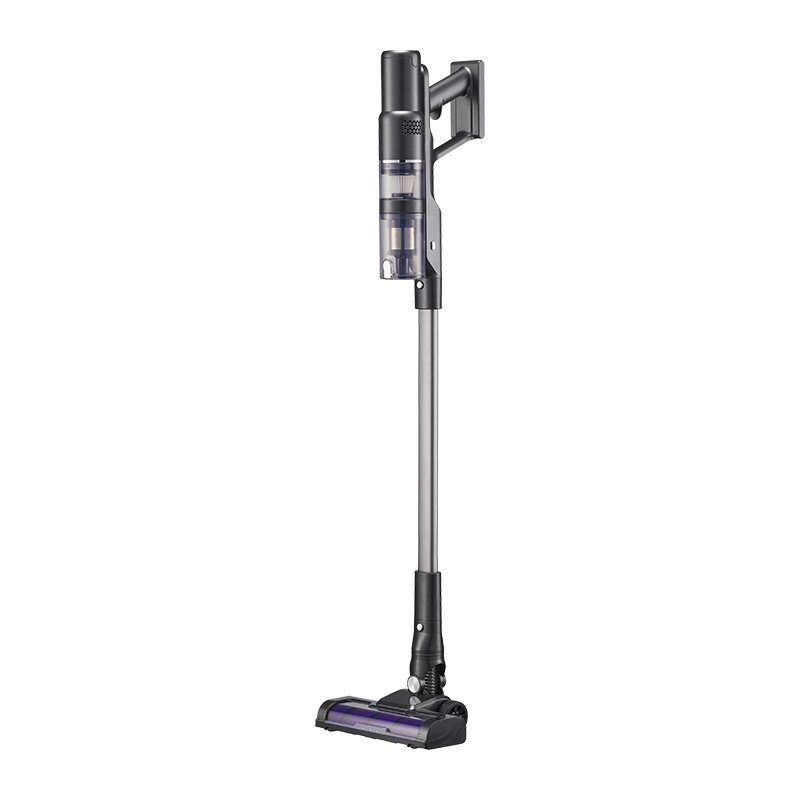 Engros DY-809A Støvsuger med Ultra Light Wireless Upright Efficient Cle Xian Dwafer Electrical Appliances Co., Ltd. er Kina engros DY-809A støvsuger med ultralet trådløs opretstående effektiv rengøring i... Se produkt →
 Selv når du tømmer beholderen, når den er to-tredjedele fuld, opbygges en fin støvfilm på indervæggene og cyklonkeglen. Denne film reducerer langsomt separationseffektiviteten, hvilket betyder, at mere støv når filteret. Giv aftagelige plastikdele en ordentlig vask hver eller anden måned.
Til tilbehøret skal du tørre spalteværktøjet og børsteværktøjet af med en fugtig mikrofiberklud, og rydde dyseåbningerne med en lille børste. Mens du er i gang, skal du kontrollere, at gummipakningerne mellem beholderen og motorhuset sidder korrekt. En dårlig tætning lækker luft, og utæt luft betyder, at suget går tabt, før det når dysen.
Dette er også et godt øjeblik til at tænke over de overflader, din støvsuger er beregnet til at beskytte. Tæpper og polstring holder fint støv og indlejret jord, som et vakuumhoved løfter fra overfladen, men ikke kan skylle ud af bunken. Til en periodisk dyb rengøring kan en spray-ekstraktionsmaskine som f.eks DY506E husholdningssofa, tæpper og madrasrens skyller bunken med vand og opvaskemiddel og trækker derefter den snavsede væske ud, hvilket en støvsuger ikke alene kan. At gøre dette hver tredje til sjette måned reducerer også arbejdsbyrden på dit støvsuger, fordi mindre indlejret snavs arbejder sig op til overfladen.
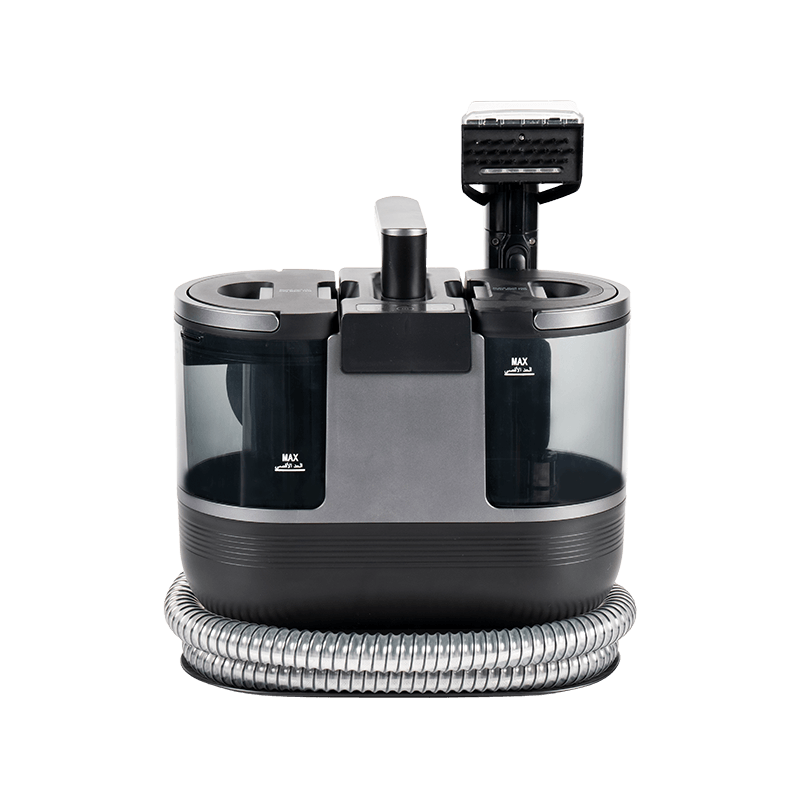 Engros DY-506E Husholdningssofa, Tæppe- og Madrasrenser Fabrik, Manufactu Xian Dwafer Electrical Appliances Co., Ltd. er Kina engros DY-506E husholdningssofa, tæpper og madrasrens fabrik og fremstiller... Se produkt →
 Forebyggende vedligeholdelse handler om at udskifte dele, der slides, før de beskadiger dyrere komponenter. Tabellen nedenfor er en praktisk reference for de dele, der betyder mest.
| Del | Typisk levetid | Advarselsskilt | Omkostninger ved forsømmelse |
|---|---|---|---|
| Vaskbart filter | 1-3 måneder mellem vaskene | Synligt støv, svagere luftstrøm | Motorbelastning, dårligere filtrering |
| HEPA filter | 6-12 måneder | Vedvarende lugt af støv | Fine partikler passerer igennem |
| Vakuumpose | Udskift, når to tredjedele er fyldt | Fuld indikator eller svagt sug | Træsko og motoroverbelastning |
| Drivrem | 6-12 måneder | Børsterulle holder op med at dreje | Brændende lugt, motoroverbelastning |
| Børsterulle | 12-24 måneder | Slidte eller smeltede børster | Dårlig tæppeagitation |
Tjek din brugermanual for nøjagtige intervaller, fordi nogle modeller bruger dobbeltmotorer og forskellige filterlayouts. For en mere detaljeret trin-for-trin gennemgang, se vores komplet vakuum vedligeholdelsesvejledning , som forklarer hver komponent i den rækkefølge, der undgår utilsigtet skade.
En støvsuger, der får femten minutters opmærksomhed en gang om måneden, vil holde sit sug, filtrere luften korrekt og køre i årevis uden reparationer. Trinnene er enkle: Tøm beholderen til to tredjedele fuld, vask filtrene og lad dem tørre helt, frigør børsterullen fra hår, kontroller slangen for tilstopninger, hold batteriet køligt på trådløse modeller, og udskift forbrugsstoffer efter tidsplanen. Rengør maskinen lige så regelmæssigt, som du renser dine gulve, og du behøver ikke spekulere på, hvorfor den pludselig holdt op med at fungere.
 2025-11-12
Industri nyheder
2025-11-12
Industri nyheder
2025-11-12
Industri nyheder
2025-11-12
Industri nyheder
2025-11-12
Industri nyheder
2025-11-12
Industri nyheder

 [email protected]
  +86-13736068086
  Nr. 2, Zone 1, Hongxi Industrial Park, Chunhu Subdistrict, Fenghua District, Xian City, Shanxi Province, Kina.
  Producenter af brugerdefinerede tæpperensemaskiner til hjemmet
 Previous